
15+ Backyard Design Ideas for Small Space With A Limited Budget
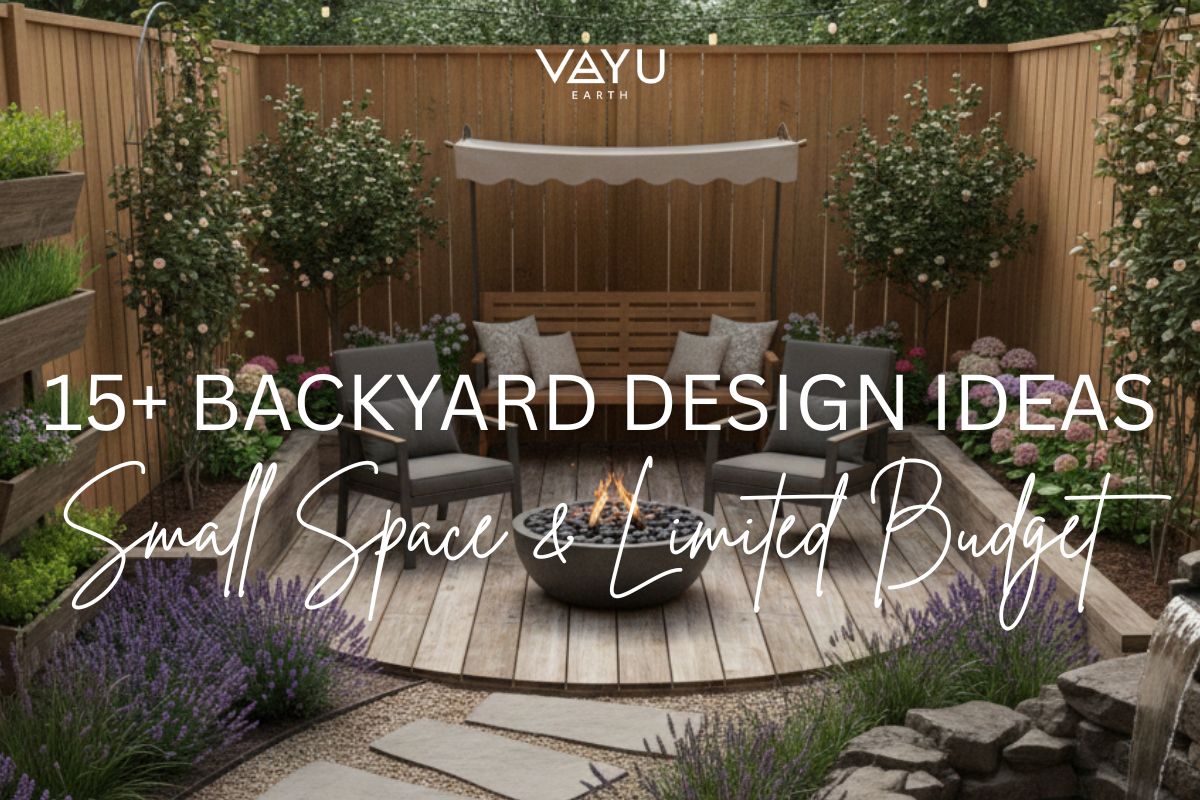
Even the tiniest backyard can become a cosy outdoor retreat if you plan the layout and spend strategically. With a mix of DIY projects, second‑hand finds and clever planting, you can transform a plain concrete yard or patchy lawn into a space you actually use every day.
1. Start With A Simple Layout Plan
When redesigning my compact 5 m x 3 m paved yard, I started with a simple sketch that mapped every corner before moving a single pot. That quick drawing allowed clear decisions on where kids would play, where containers would go and how people would walk through the space.
-
Mark zones for sitting, planting and moving around so the space feels intentional, not cramped.
-
Use straight lines and clear edges to make a small garden feel more organised and visually larger.

2. Create Zones With Low‑Cost Edging
A DIY‑er who tackled a tired backyard on a tight budget used metal or timber edging around the perimeter and filled the gaps with dark mulch to give a clean, modern look. The crisp border instantly made the lawn, beds and seating feel separate, even though the yard itself was small.
-
Use inexpensive materials like gravel strips, timber edging or reclaimed bricks to separate seating, planting and paths.
-
Even in a small area, a defined border around beds or a mini patio makes the space feel finished and easier to maintain.
3. Go Vertical With Greenery
A small urban garden with no soil access was turned into a lush container and vertical garden by stacking planters against fences and walls. The owner focused on climbers and wall‑mounted pots so the ground stayed clear for children to play.
-
Install trellises, wall planters or repurposed wooden pallets to create a vertical garden on fences or walls.
-
Choose compact climbers, herbs and trailing plants to add lushness without sacrificing precious ground area.

4. Add A Compact DIY Seating Corner
One blogger transformed an unused, hot corner by replacing concrete with a small paver patio and adding a simple corner lounge. Later, they built a DIY pergola over the same footprint, instantly turning it into the family’s favourite spot.
-
Build a corner bench from pallets or reclaimed timber to tuck seating neatly against two walls or fences.
-
Add outdoor cushions and a small side table instead of a bulky dining set to keep the footprint minimal.
5. Choose Low‑Profile Furniture
In several small‑backyard makeovers, switching from big boxy sofas to a slim sectional or compact bistro set made the whole space feel bigger. The lower backs kept sightlines open to planting and boundaries.
-
Look for benches, bistro sets and stools that can slide under tables or stack when not in use.
-
Lighter frames and lower backs help create the illusion of more space because views stay open.

6. Use Gravel Or Pavers For An Affordable Patio
One homeowner who “gave up on trying to grow grass” in a small yard laid pavers and gravel instead, creating a neat, low‑maintenance entertaining space. The project ran over a few months but cost far less than full landscaping and completely changed how they used the garden.
-
Lay budget‑friendly gravel, stepping stones or simple pavers to form a small patio for seating.
-
Gravel is often cheaper than full paving and works well in tight spaces where drainage matters.
7. Layer Lighting For Evening Atmosphere
Many real‑life transformations rely on one simple upgrade: string lights. In small yards and patios, a few strands overhead and a couple of lanterns on the table are enough to make the area feel like an outdoor room at night.
-
Hang string lights across the yard, from wall to fence or around a pergola, to define the seating zone.
-
Add solar stake lights along paths or planters for a soft glow with no wiring and low running costs.

8. Mix Containers Instead Of Planting A Full Border
In the Birmingham case study, the entire garden was paved and had no beds, so the designer created structure with different sizes of containers grouped together. This not only saved on digging and materials but also kept the garden flexible for a renting family with four children.
-
Combine pots of different heights and materials to create a layered, “mini jungle” in one corner.
-
Use containers for herbs, compact veg and flowers so you can re‑arrange the layout as seasons and needs change.

9. Build Simple Raised Beds
On narrow plots, raised beds along the boundary help hide fences and add structure without eating into the centre of the yard. Several small‑garden designers recommend long, shallow beds rather than lots of tiny planters to keep things calm and unified.
-
Use timber boards or repurposed sleepers to create shallow rectangular beds against fences or walls.
-
Grow easy crops like salads and herbs to make the space both beautiful and productive.
10. Add A Focal Point (Even A Small One)
In a set of backyard makeover case studies, each successful design had at least one clear focal point: a fire pit, water bowl, feature tree or large planter. Even in a very small outdoor room, that single “hero” feature stops the space feeling bitty.
-
Create a mini focal feature like a compact firepit, bold planter, birdbath or sculpture.
-
Position it opposite your main indoor view so it draws your eye outside.

11. Use Mirrors And Light Colours To “Expand” The Space
Designers sometimes use outdoor‑safe mirrors on dark walls to bounce light back into tight courtyards. Combined with pale gravel and light furniture, the yard looks wider and less enclosed.
-
Fix mirrors to a wall or fence in shaded areas to add depth and brightness.
-
Choose light paving and neutral cushions to reflect more light and keep the space airy.
12. Hang Furniture To Free Up Floor Area
Where floor space is truly minimal, hanging furniture creates a sense of fun without filling the ground. Some compact patios use a single hanging chair and a few wall‑mounted planters to keep the footprint clear but still cosy.
-
Install a hanging chair or mini swing where there is a strong overhead support.
-
Add hanging planters or macramé pots to bring greenery up to eye level.

13. Blur The Line Between Indoors And Outdoors
Backyard transformations with the biggest impact often treat the garden as an extra room, repeating colours and materials from inside. A rug by the back door, similar cushions and a small café table can visually extend the living room into the yard.
-
Use matching textiles or accent colours indoors and out so the spaces flow.
-
Align an outdoor rug or small patio with the back door to create a continuous “zone”.
14. Upcycle And Shop Second‑Hand
Several DIY backyard reveals credit pallets, old cable reels and reclaimed bricks for keeping costs down. These pieces add character and reduce waste while still looking stylish when painted or stained.
-
Turn pallets into seating, cable reels into tables, and crates into planters or storage.
-
Look for pre‑loved garden furniture locally; a quick sand and weatherproof paint can transform them.
15. Keep Planting Simple And Low‑Maintenance
A common lesson from small‑garden case studies is that too many different plants make a compact space feel busy. Designers often repeat a short list of dependable shrubs and perennials to create calm, cohesive planting that is easy to care for.
-
Focus on a few repeat plants in complementary colours to avoid visual clutter.
-
Choose hardy perennials and easy shrubs so you are not constantly replanting.

16. Bonus Idea: Multi‑Use Storage Solutions
Families using tiny outdoor spaces, like the Birmingham container garden with four children, rely heavily on multi‑functional pieces. Benches that hide toys and tools inside help keep surfaces clear and make the yard feel bigger.
-
Choose storage benches or box seats that double as extra seating.
- Add a slim shed or wall‑mounted rack to organise essentials without taking up much floor area.
A small backyard and a tight budget do not have to limit what you can create; they simply push you to be more intentional, creative and resourceful with every decision. By planning a simple layout, adding vertical greenery, choosing compact multi‑use furniture and layering in cosy details like string lights and containers, you can turn even the most overlooked corner into a welcoming outdoor “room” that genuinely works for your lifestyle.