
How to Layer Texture in a Neutral Room: 10 Simple Ways to Create a Warm, Inviting Home
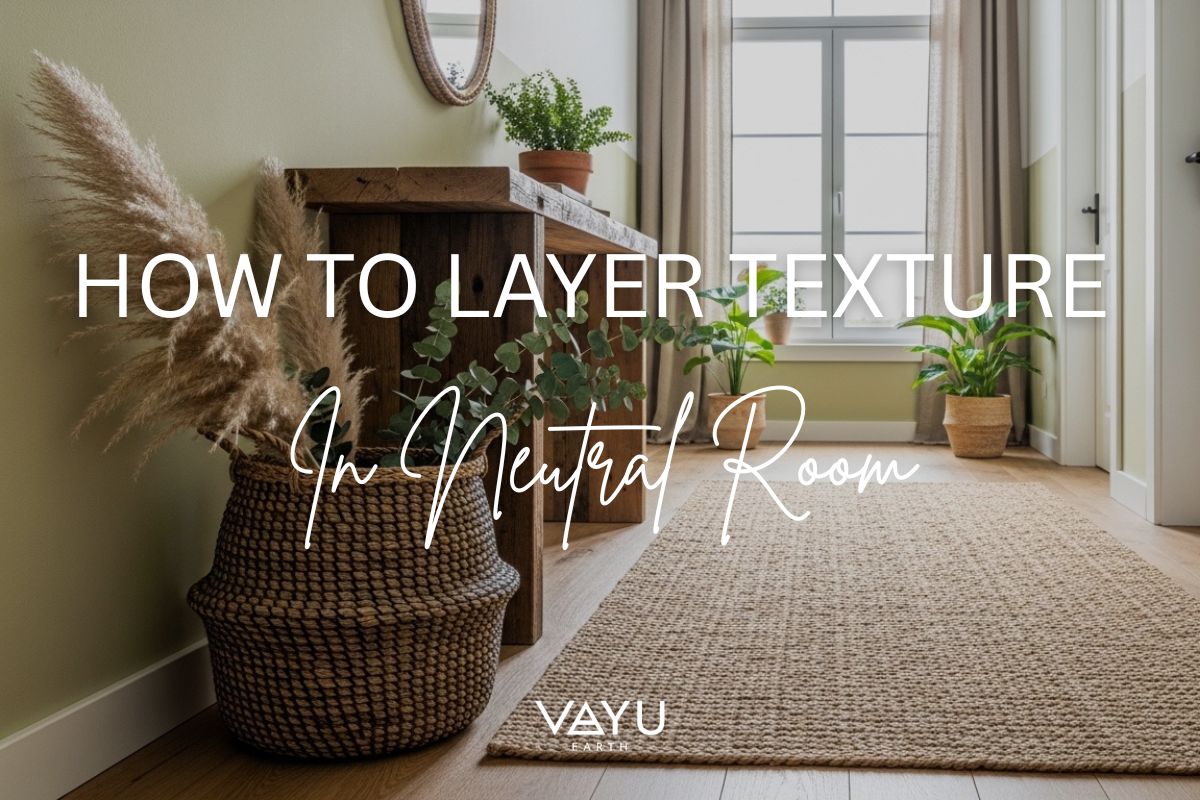
Neutral interiors have remained a favourite for years, and it's easy to see why. Soft whites, warm beiges, natural wood tones and earthy shades create a timeless backdrop that never feels overwhelming. Yet many people worry that a neutral room can appear flat or uninspiring.
The secret isn't adding more colour, it's learning how to layer texture in a neutral room. Different materials, handcrafted details and natural fibres bring depth, warmth and personality while keeping your calming colour palette intact.
At Vayu Earth, we believe that sustainable, handmade home décor is one of the easiest ways to make neutral spaces feel lived-in and welcoming. In this guide, we'll show you exactly how to layer texture in a neutral room using natural materials and thoughtful styling.
Why Texture Matters More Than Colour
When your room relies on similar shades, your eye naturally looks for variation elsewhere. Texture creates visual interest without disturbing the peaceful atmosphere.

Instead of contrasting colours, imagine combining:
-
Chunky woven baskets
-
Soft cotton cushions
-
Rustic wooden accessories
-
Stoneware ceramics
-
Linen table runners
-
Jute rugs
-
Handwoven throws
-
Natural dried foliage
Each surface reflects light differently, creating subtle contrast that makes the room feel richer and more inviting.
Layer Texture in a Room Starting with Natural Materials
The easiest way to master how to layer texture in a neutral room is to choose materials inspired by nature.

Natural fibres instantly introduce warmth because they contain slight variations in colour and weave that machine-made materials often lack.
Some beautiful materials include:
-
Jute
-
Seagrass
-
Water hyacinth
-
Banana leaf
-
Cotton
-
Linen
-
Mango wood
-
Rattan
Because these materials aren't perfectly uniform, they naturally create depth even when they're all similar in colour.

For example, a handwoven banana leaf basket beside a smooth ceramic planter immediately adds visual balance without introducing bold colours.
Layer Different Fabrics In Your Room
Textiles are one of the simplest ways to transform a neutral room.
Rather than matching every fabric perfectly, combine several different textures together.
Try pairing:
-
Linen curtains
-
Cotton cushion covers
-
Chunky knit throws
-
Woven seat cushions
-
Soft boucle fabrics
-
Lightweight muslin accents

Keeping everything within similar earthy tones allows the textures themselves to become the focal point.
Use Woven Baskets to Add Instant Texture to Any Room
Storage doesn't need to disappear into the background.
Handwoven baskets provide both organisation and texture while contributing to a relaxed, organic aesthetic.

Large floor baskets can hold:
-
Throws
-
Children's toys
-
Laundry
-
Extra cushions
-
Houseplants
Smaller baskets work beautifully on shelving, coffee tables or bathroom counters.
Their woven surfaces create shadows and movement that help neutral interiors feel more dynamic.
Balance Smooth and Rough Surfaces for a Dynamic Space
One of the biggest styling mistakes is choosing accessories that all have the same finish.
Instead, create contrast by combining rough and smooth materials.

For example:
| Smooth | Textured |
|---|---|
| Ceramic vase | Woven basket |
| Glass candle holder | Wooden tray |
| Marble bowl | Linen runner |
| Metal planter | Jute placemat |
The difference between these surfaces makes each piece stand out while maintaining a harmonious palette.

Introduce Wooden Accents as Your Room's Centerpiece
Wood naturally brings warmth into neutral interiors.
Mixing different wood grains prevents a room from feeling overly coordinated.
Consider adding:
-
Wooden serving boards
-
Decorative trays
-
Small stools
-
Picture frames
-
Candle holders
-
Side tables

Even subtle variations between oak, mango wood and reclaimed timber help create layers of texture.
Handcrafted wooden pieces also develop character over time, making your home feel increasingly personal.
Don't Forget Wall Texture
Many people focus solely on furniture and accessories, overlooking the walls.
Adding texture vertically helps balance the room.

Ideas include:
-
Woven wall baskets
-
Handmade wall hangings
-
Natural fibre mirrors
-
Wooden shelving
-
Textured artwork
-
Macramé decorations
These pieces draw the eye upward and prevent plain walls from feeling empty.

Style in Groups Rather Than Individual Pieces
Texture becomes much more noticeable when accessories are layered together.
For example, style a console table with:
-
A woven basket underneath
-
A wooden tray
-
A ceramic vase
-
A linen runner
-
A candle holder
-
Dried grasses
Each item introduces a slightly different texture, creating a beautifully curated display without looking cluttered.
Bringing Nature Indoors: The Golden Rule of Layering Texture
Plants provide texture that changes throughout the seasons.

Pair leafy greenery with woven baskets or ceramic planters to soften hard furniture lines.
Some excellent choices include:
-
Olive trees
-
Eucalyptus
-
Snake plants
-
Dried pampas grass
-
Bunny tails
-
Ferns
Natural foliage complements earthy interiors while adding movement and freshness.
Let Handmade Pieces Tell the Story In Layers
Perhaps the most important lesson in how to layer texture in a neutral room is that every item doesn't need to match perfectly.

In fact, small variations make a room feel authentic.
Handmade home décor often features slight differences in weave, shape or finish, making each piece unique.
Rather than creating a showroom look, these imperfections tell the story of skilled craftsmanship and bring warmth that mass-produced décor simply cannot replicate.
Choosing handmade, sustainably crafted accessories also means you're investing in pieces that are designed to be appreciated for years, rather than following short-lived trends.
Common Mistakes to Avoid
When styling a neutral room, avoid these common pitfalls:
-
Using only one material throughout the space.
-
Choosing everything in exactly the same shade.
-
Filling shelves with identical accessories.
-
Forgetting soft furnishings.
-
Overcrowding surfaces.
-
Ignoring natural light when selecting textures.
Instead, aim for balance. Combining smooth, rough, soft and woven surfaces creates a room that feels relaxed rather than busy.

Learning how to layer texture in a neutral room isn't about buying more decorations, it's about choosing pieces with character, craftsmanship and natural beauty.
By combining woven baskets, soft textiles, wooden accents, ceramics and greenery, you can transform even the simplest neutral palette into a space that feels warm, welcoming and full of personality.
At Vayu Earth, our handmade collections are created using sustainably sourced natural materials, making it easy to introduce authentic texture into every corner of your home. Whether you're styling a cosy living room, a calming bedroom or a welcoming hallway, thoughtful layering allows your space to feel beautifully balanced while celebrating the timeless charm of handcrafted design.