Sustainable Chic: Trends in Eco-Friendly Home Decor
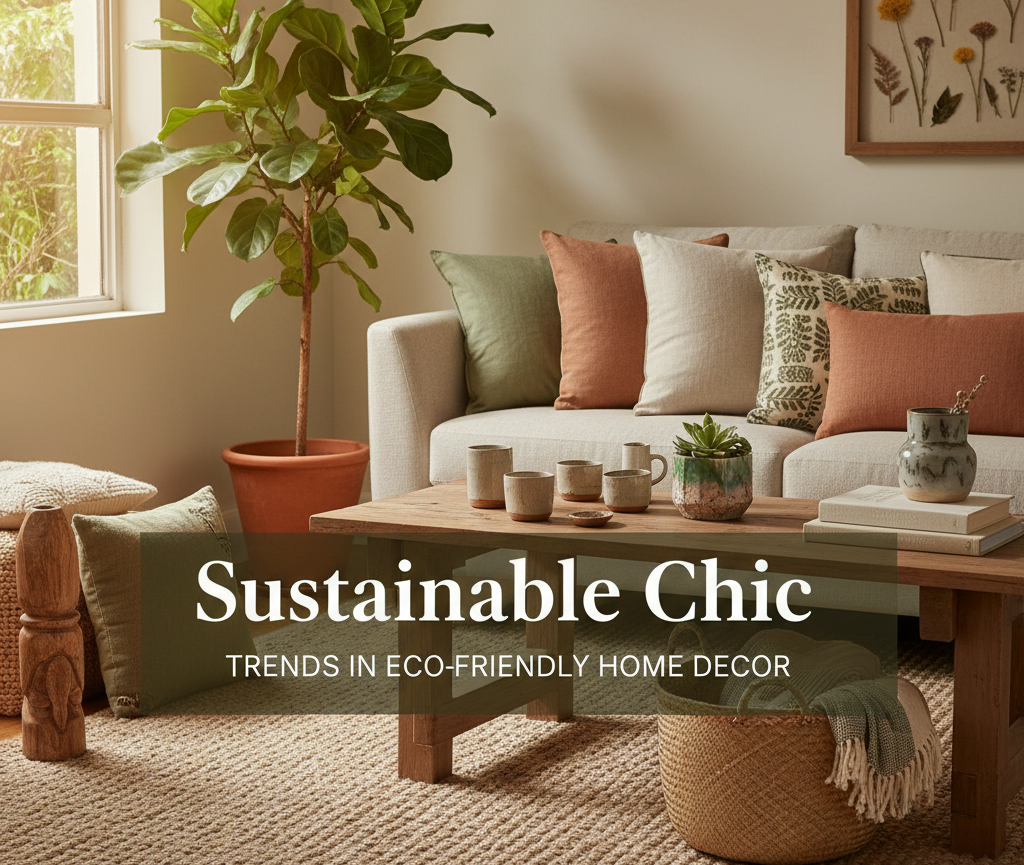
Unpacking the Trends: Beyond the Basics
1. The Tactile Appeal of Natural Materials (and their Provenance):

It's not just what the material is, but where it comes from and how it's processed. Sustainable decor often champions materials that are:
* Renewable: Like bamboo, fast-growing timber, or cork.
* Recycled/Upcycled: Glass, metal, plastic, or even old textiles given a new life. Think beautiful glassware made from recycled bottles or rugs woven from discarded clothing fibres.
* Minimally Processed: Materials that retain their natural look and feel, reducing the need for harsh chemicals or energy-intensive manufacturing.
* Locally Sourced: Reducing carbon footprint from transportation. While this can be harder to achieve for all items, prioritising it where possible makes a difference.
This trend brings a sense of authenticity and calm to a space. The imperfections in natural wood, the subtle variations in hand-dyed linen – these are celebrated as part of the material's story.
2. The Art of the "Pre-Loved" and Vintage Hunt:

This trend is as much about the thrill of the find as it is about sustainability.
* Character and Uniqueness: Vintage pieces instantly add personality that modern, mass-produced items often lack. They spark conversations and tell a story.
* Quality Construction: Often, older furniture was built to last using solid wood and traditional joinery, far superior to much of today's flat-pack options.
* Cost-Effective: You can often find incredible bargains on high-quality items compared to buying new.
* Upcycling Potential: Don't dismiss a piece with good bones just because its finish is dated or upholstery is worn. A little sanding, painting with eco-friendly VOC-free paints, or re-upholstering with natural fabrics can transform it.
3. Artisan and Handmade Goods: Investing in Craftsmanship and Community:

When you buy handmade, you're not just getting a product; you're supporting a person, their skill, and often, an entire community.
* Ethical Production: Artisans often work in fair conditions, and their processes are typically less industrial and more environmentally conscious.
* Cultural Preservation: Many handmade items use traditional techniques that have been passed down through generations, helping to keep cultural heritage alive.
* Unique Narratives: Each piece has a unique touch – no two handmade items are ever exactly identical, making your home truly one-of-a-kind.
* Direct Impact: Your purchase directly supports the artisan, fostering sustainable livelihoods.
4. Deep Dive into Biophilic Design: Creating Sanctuaries:

This trend goes beyond just putting a few plants in a room. It's about designing spaces that nourish our innate human connection to nature.
* Maximising Natural Light: Using sheer curtains, strategically placed mirrors, and avoiding clutter near windows to let light flood in.
* Indoor Greenery: A variety of plants – from large statement pieces to smaller trailing plants – not only purify the air but also reduce stress and improve mood. Consider vertical gardens or living walls if space allows.
* Natural Scents: Using essential oil diffusers with natural scents like cedarwood, pine, or citrus instead of artificial air fresheners.
* Natural Textures and Patterns: Incorporating wood grain, stone, woven fabrics, and patterns found in nature (e.g., leaf motifs, flowing water designs).
* Water Features: Even a small indoor fountain can add a calming auditory element.
5. Durability and Longevity: The True Meaning of Value:

This trend is about making conscious investments rather than impulsive purchases.
* Timeless Design: Choosing classic designs over fleeting fads means your furniture won't look dated in a few years, reducing the urge to replace it.
* Repair, Don't Replace: Learning basic repair skills or finding local craftspeople who can mend beloved items extends their life significantly.
* Modularity: Furniture that can be reconfigured or adapted to different spaces or needs over time offers greater longevity.
* Material Integrity: Prioritising solid wood over veneers, full-grain leather over bonded, or high-density foam over cheap stuffing.
Re-visiting Vayu Earth with a Deeper Lens
Considering these expanded trends, let's look at how Vayu Earth's categories align and what specific elements to seek out:

-
Rugs & Throws: When browsing, look beyond just "jute" or "cotton." Investigate if the cotton is organic, if the dyes used are natural or low-impact, and if the weavers are part of a fair-trade initiative. A hand-knotted wool rug, for instance, might be a higher initial investment but will last for decades, becoming a cherished heirloom. Their range likely includes these artisan-crafted pieces.

-
Cushions & Pillows: Here, it's about the entire package. Is the cover organic cotton or linen? Is the inner cushion made from recycled fibres, kapok, or even natural latex? These details contribute significantly to the overall sustainability of the product. Vayu Earth's commitment suggests they prioritise these aspects.

-
Baskets & Storage: This is a prime category for natural materials. Look for baskets woven from seagrass, rattan, bamboo, or even recycled paper. These aren't just practical; they add incredible texture and a touch of biophilic design, helping to bring the outdoors in. They're also wonderfully versatile for plants, blankets, or everyday clutter.

-
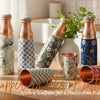
Kitchen & Dining: This area is ripe for sustainable upgrades. Beyond wood and bamboo, look for items made from recycled glass, ceramic (ethically produced, ideally), or even stainless steel which is incredibly durable and recyclable. Think about items that replace single-use plastics – beautiful reusable produce bags, beeswax wraps, or long-lasting wooden utensils. Vayu Earth often has unique, handcrafted serving pieces that fit this bill perfectly.

-
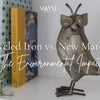
Decor & Ornaments: This is where you can truly express personality with artisan finds. Look for handmade pottery, recycled metal sculptures, wooden carvings, or items made from sustainable stone. These are perfect for adding unique, story-filled touches rather than generic decor.
By actively seeking out these specific elements within Vayu Earth's offerings, you're not just buying eco-friendly products; you're investing in a more thoughtful, beautiful, and sustainable way of living. It’s about creating a home that feels good, does good, and looks absolutely stunning.